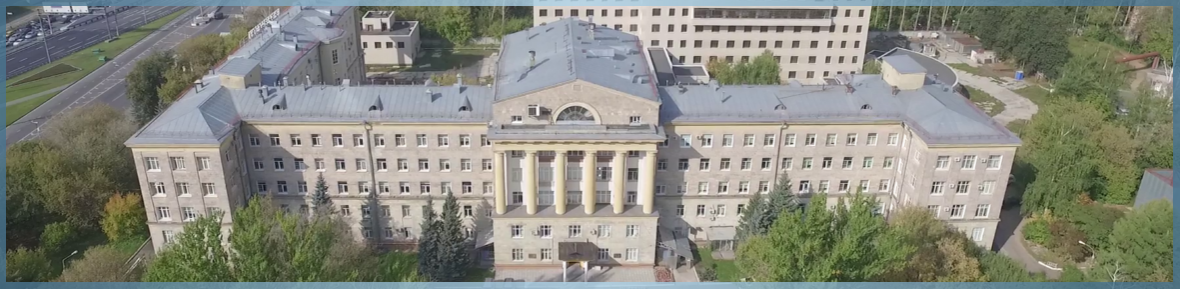
Neurology and Neurosurgery Clinic
Conditions We Diagnose and Treat
We offer care in almost all neurological diseases, including the following:
- Cerebrovascular diseases
- Stroke
- Stroke in young adults
- Small vessel diseases
- Mild cognitive impairment
- Atherosclerosis
- Dementia
- Vascular dementia
- Epilepsy and other paroxysmal conditions
- Headache, migraine
- Vestibular disorders (dizziness, tinnitus)
- Parkinson’s disease and other extrapyramidal diseases (torsion dystonia and dystonic syndromes)
- Hereditary diseases of the nervous system (hereditary ataxia, spinal amyotrophy, Huntington’s disease, Wilson disease, hereditary polyneuropathy, myopathy etc.)
- Hyperkinesis
- Aneurysms of cerebral arteries
- Tumors of the spinal cord and brain
- Low back pain, herniated intervertebral disc
- Trigeminal neuralgia
- Inflammatory and toxic polyneuropathy
- Multiple sclerosis and other demyelinating diseases of the nervous system (encephalomyelitis, polyneuropathy)
- Degenerative disorders of the nervous system (amyotrophic lateral sclerosis, dementia, olivopontocerebellar atrophy)
RADIOLOGY
Neuroimaging Department offers advanced magnetic resonance imaging (MRI), computed tomography, X-ray and densitometry
- Closed system magnetic resonance scanners :
- Magnetom Prisma, Siemens (Germany) – 3 Tesla field strength, 70 cm bore diameter, patient weight up to 130 kg;
- GE Premiere (USA), 3 Tesla field strength, 70 cm bore diameter, patient weight up to 130 kg;
- GE Signa Artist (USA) with focused ultrasound unit 1.5 Tesla field strength, 70 cm bore diameter, patient weight up to 130 kg;
- Open system magnetic resonance scanner:
- Panorama, Philips (Netherlands) – 1.0 Tesla field strength, patient weight up to 130 kg;
- Multispiral computed tomography scanner:
- Somatom Definition, AS,Siemens (Germany) - 128-slice;
- Siemens (Germany) digital X-ray machine;
- Stratos dR DMS group (France) densitometer.
FUNCTIONAL DIAGNOSTICS
We conduct a wide range of neurophysiological studies using modern equipment produced by MBN (Russia), Neurosoft (Russia), Nicolet (USA), Dantec (Denmark):
- Computer EEG with brain electrical activity mapping and three-dimensional localization of the sources of abnormal activity
- Evoked potentials: visual, acoustic stem, cognitive, vegetative, vestibular, somatosensory (with n.medianus, n.tibialis, n.pudendus stimulated)
- Electroneuromyography
- Transcranial magnetic stimulation
- Tremor measurement
- Polysomnography
- Video EEG monitoring
LABORATORY DIAGNOSTICS
Modern equipment and analyzers allow to carry out a wide range of common tests as well as individual panels.
- Hemostasis assessment
- Hormonal status (wide spectrum of hormones, including rare markers)
- Biochemical panels (over 100 parameters)
- Full range of general laboratory tests (CBC, urinalysis, cerebrospinal fluid tests)
- Immunoenzyme and chemiluminescent diagnostics of any infections
- PCR diagnostics of any material (smear, blood, urine, saliva, sputum, etc.) for a wide range of infections
- Bacteriological tests
MOLECULAR GENETIC TESTING
DNA laboratory of the 5th neurological department became one of the first labs in our country that performs molecular tests for neurological diseases.
The laboratory is equipped with the latest, high-tech hardware necessary for carrying out molecular genetic studies using real-time PCR, fragment analysis, and sequencing.
On the basis of the laboratory, original protocols of DNA diagnostics of trinucleotide repeat expansion disorders (Huntington's disease, Friedreich's ataxia and other progressive hereditary ataxias, Kennedy’s spinal and bulbar amyotrophy) are developed, the most frequent mutations in torsion dystonia, Parkinson's disease, spinal muscular atrophy, CADASIL, Wilson’s disease, spastic paraplegia type 4 etc are routinely diagnosed. The MLPA diagnostic method (Multiplex ligation-dependent probe amplification) has been introduced for the simultaneous detection of the most significant mutations in Parkinson's disease.
The first experience of the new generation of high-performance sequencing has been received. The development and introduction of new DNA diagnosis protocols (for example, Niemann-Pick disease, dentatorubral–pallidoluysian atrophy, atypical parkinsonism, etc.) are underway.
ULTRASOUND DIAGNOSTICS
Ultrasound Research Laboratory provides comprehensive ultrasound tests using multifunctional high-performance, modern digital systems with Doppler imaging:
Cardiovascular system
- Duplex scanning of the branches of the aortic arch, abdominal aorta and its branches, main arteries of the upper and lower limbs
- Duplex scanning of the superficial and deep venous a system of the upper, lower limbs, system of the inferior vena cava, portal vein
- Transcranial duplex scanning of the arteries of the circle of Willis
- Transcranial monitoring of the arteries of the base of the brain in the embolodetection mode to identify the sources of microemboli and diagnose the central venous arterial shunt
- Intraoperative ultrasound monitoring of blood flow during open and endovascular surgeries on the brachiocephalic arteries
Brain substances
- Transcranial sonography of the substantia nigra
Organs of the abdominal cavity, pelvis, retroperitoneal space
- Ultrasound of the hepatobiliary system (liver, gallbladder, pancreas)
- Spleen ultrasound
- Ultrasound of the kidneys, adrenal glands and retroperitoneal space
- Ultrasound of the internal female genital organs
- Ultrasound of the prostate and bladder
Superficial organs
- Thyroid ultrasound
- Mammary gland ultrasound
- Soft tissue ultrasound
- Salivary gland ultrasound
- Lymph nodes ultrasound
Musculoskeletal system
- Ultrasound of muscles, tendons, joints
Peripheral nervous system
- Ultrasound of the peripheral nerves of the upper and lower limbs, nerve plexuses
REHABILITATION
Based on the successful combination of innovation and the classical school of restorative medicine, the Center carries out rehabilitation of patients with the following diseases of the nervous system:
- cerebrovascular diseases (stroke, cerebral infarction, cerebral hemorrhage, post-stroke conditions)
- degenerative and hereditary diseases of the nervous system (Parkinson’s disease, torsion dystonia, Friedreich’s disease, essential tremor, etc.)
- multiple sclerosis
- diseases of the peripheral nervous system (acute and chronic polyneuropathies, neuritis, neuropathies, neuralgias, tunnel syndromes, plexopathies, neurological manifestations of degenerative vertebral diseases)
- rehabilitation after neurosurgical operations
REHABILITATION METHODS
- Physical and occupational therapy (individual and group classes with experienced therapists, manual therapy)
- Robotic and mechanotherapy systems for gait and upper limb training – Lokomat, Amadeo, RT-300 Arm & Leg, Armeo Spring, Erigo, Bionic Leg.
- Virtual reality systems (high motivating, challenging movement rehabilitation in a virtual environment presented by screen or head-mounted display)
- Transcranial Magnetic Stimulation (TMS) - a method based on the non-invasive stimulation of brain neurons with an alternating magnetic field . The TMS method is used for the determination of the excitability of the motor cortex and conduct along the corticospinal tracts; Mapping (localization) of motor and non-motor functions in the cerebral cortex; targeted modification of the excitability of the cortex and neuroplasticity (rhythmic TMS)
- Brain-computer interfaces for assistive device control learning and as a rehabilitation method combined with robotic therapy and electrical stimulation
- Balance training on force platforms and stabilometric platforms with biofeedback (to increase the stability of the vertical posture and to improve the equilibrium function)
- Electrotherapy for central and peripheral paresis (neuromuscular electrical stimulation, functional electrical stimulation, electrophoresis, transcutaneous electrical nerve stimulation)
- Botulinum therapy for patients with post-stroke, post-traumatic spasticity of the limbs, including the small muscles of the hand and foot, patients with hemifacial spasm with lesions of the facial nerve as a result of surgical interventions or injuries, and patients after Bell's palsy.
NEUROSURGERY AND VASCULAR SURGERY
We provide wide range of neurosurgical operations focusing on functional interventions:
- Functional surgery in Parkinson's disease, essential tremor, torsion dystonia
- Drug-resistant epilepsy: resection surgeries and vagus nerve stimulator placement
- Cerebrovascular diseases (aneurysms, arteriovenous malformations, cavernous malformations, Moyamoya disease, stenosis of the main arteries of the head and neck)
- Endovascular interventions for atherosclerosis of the main arteries
- Brain tumors
- Head and neck diseases
- Tumors of the spine and spinal cord
- Degenerative diseases of the spine
- Spinal cord vascular diseases (cavernous malformations, venous fistulas)
- Developmental anomalies (Chiari malformation, Kimmerle malformation)
- Neurovascular conflict (trigeminal neuralgia, hemifacial spasm, and etc.)
- Cerebrospinal fluid circulation disorders
- Neuropathies
- Complex bone defects of the cranial vault and base
- Reconstructive and plastic surgery of the head and neck involving a multidisciplinary team of neurosurgeons, maxillofacial surgeons, and oncologists
Appointment office for patients: +7 (495) 374-77-76 and +7 (495) 374-55-83
8:00 - 20:00 Mon.-Fri., 9:00 - 15:00 Sat. (Sunday is a day off)
E-mail: center@neurology.ru